For Research Use Only (RUO): All content on this page is intended strictly for licensed researchers and laboratory professionals. The products and information discussed here are not approved for human use, self-administration, or veterinary application.
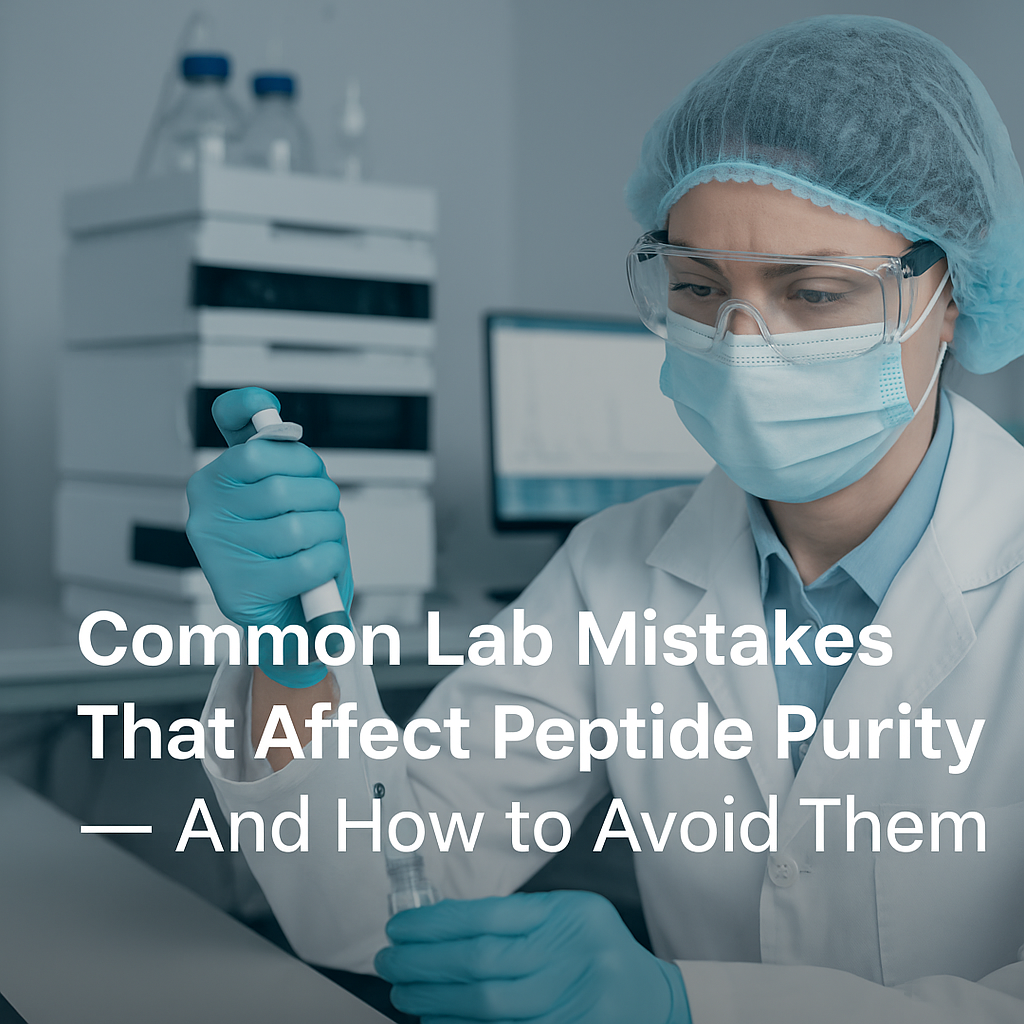
Common lab mistakes peptide purity — And How to Avoid Them
In any research setting, the integrity of your results depends entirely on the integrity of your materials. lab mistakes peptide purity are more common than most researchers expect — and many of them happen not through negligence, but through a simple lack of awareness about how sensitive these compounds really are.
This guide covers the most frequently encountered lab mistakes peptide purity, explains why they occur, and provides clear, actionable strategies to prevent them. Whether you are new to peptide research or an experienced technician reviewing your protocols, these best practices apply across the board.
Why Peptide Purity Matters in Research
Purity is one of the most critical quality indicators for any RUO research peptide. A peptide with degraded purity doesn’t just produce unreliable results — it can invalidate entire experimental datasets. When you’re working with complex biological models or running sensitive receptor binding assays, even minor impurities can introduce noise, alter expected outcomes, or produce false positives.
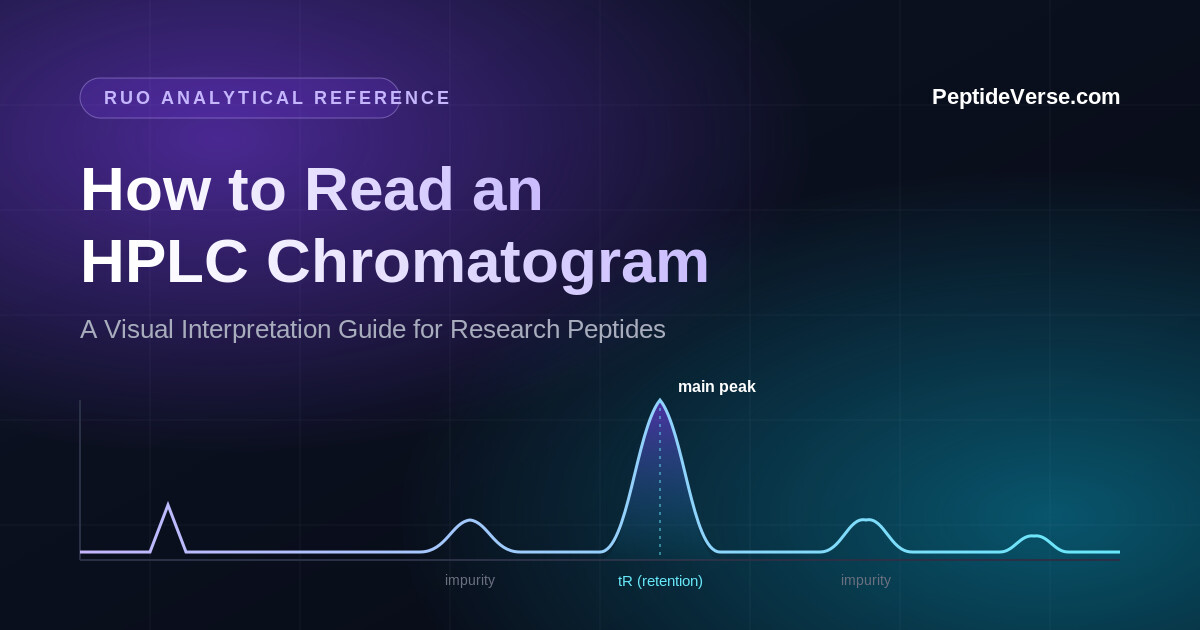
High-quality research peptides typically come with purity certifications of ≥95%, verified by HPLC and mass spectrometry. Understanding how purity can be compromised in the lab is the first step toward protecting it. To learn how purity is measured, see our guide on How Peptide Purity Is Measured.
Mistake #1: Improper Storage Temperatures
One of the most common lab mistakes peptide purity is failing to store peptides at the correct temperature. Most lyophilized research peptides require storage at -20°C or colder to maintain long-term stability. Even short-term exposure to room temperature — especially in a humid environment — can initiate degradation.
Common storage errors include:
- Leaving peptide vials on the bench during extended work sessions
- Storing peptides in a refrigerator (4°C) rather than a freezer
- Failing to return peptides to cold storage immediately after use
- Using a frost-free freezer that repeatedly cycles through temperature fluctuations
Prevention: Always return peptide vials to -20°C storage immediately after use. For long-term archiving, -80°C is preferable. Review our lyophilized peptide storage guide for full protocol details.
Mistake #2: Repeated Freeze-Thaw Cycles
Another major source of purity degradation is repeatedly freezing and thawing the same peptide sample. Each freeze-thaw cycle introduces mechanical stress at the molecular level, potentially breaking peptide bonds and accelerating aggregation. Over multiple cycles, a high-purity peptide can become significantly degraded — even if stored at the correct temperature otherwise.
Prevention: Before first use, aliquot your peptide sample into single-use working volumes. This ensures that you only thaw what you need for each experiment, and the remaining stock stays undisturbed in frozen storage.
Mistake #3: Moisture Contamination
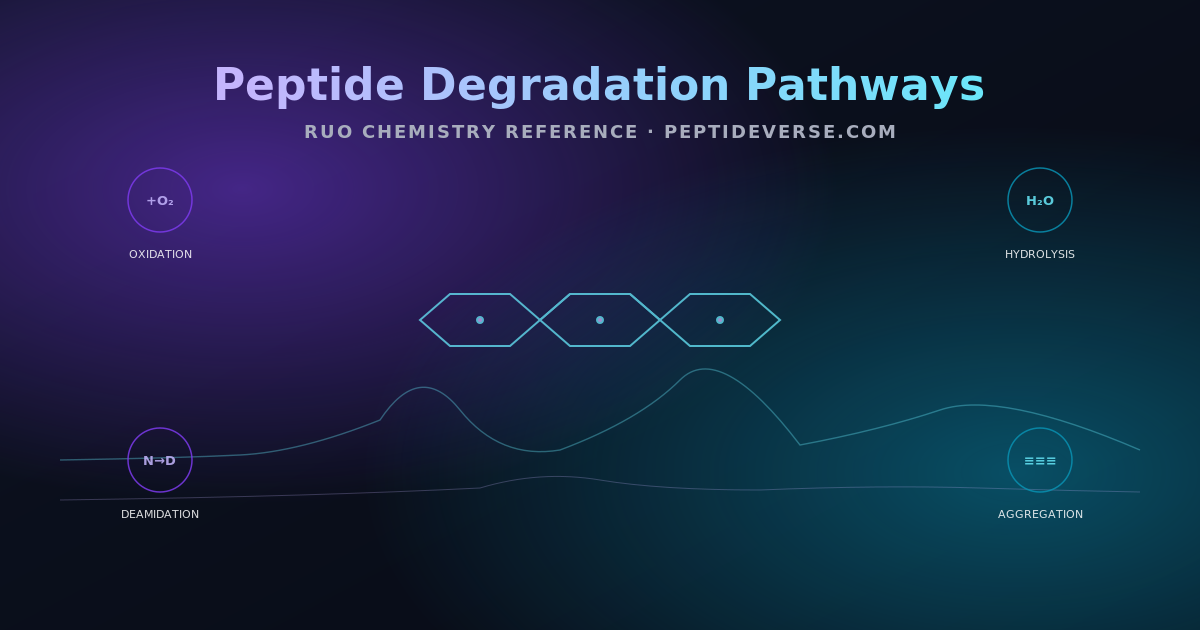
Lyophilized peptides are freeze-dried specifically to remove moisture — because water accelerates hydrolysis and peptide degradation. One of the most overlooked lab mistakes peptide purity is allowing moisture to enter the vial during handling.
This can happen when:
- A cold vial is opened before it equilibrates to room temperature (causing condensation inside)
- Vials are stored in humid environments without desiccant
- Vials are left uncapped or improperly sealed
Prevention: Allow cold peptide vials to warm to room temperature (still sealed) before opening. Work in a low-humidity environment where possible, and store peptides with desiccant in their packaging.
Mistake #4: Ignoring the Certificate of Analysis
Skipping or glossing over the Certificate of Analysis (CoA) is a surprisingly common mistake — even among experienced researchers. The CoA is the primary quality verification document for any research peptide. It confirms the compound’s identity, purity, molecular weight, and analytical testing data.
Failing to check the CoA before use means you might be working with a peptide that:
- Has lower purity than your protocol requires
- Has degraded due to improper storage or extended shelf age
- Contains unexpected impurities from synthesis
Prevention: Make it standard practice to review the CoA for every peptide before beginning an experiment. Our guide on How to Read a Peptide CoA walks you through every field you should check.
Mistake #5: Using Incompatible Solvents or pH Conditions
Not all peptides behave the same way in solution. Solubility is sequence-dependent — some peptides dissolve readily in aqueous buffers, while others require organic co-solvents or specific pH conditions. Using an incompatible solvent is one of the lab mistakes peptide purity by causing aggregation, precipitation, or chemical degradation before the experiment even begins.
Signs of solubility or compatibility issues include cloudiness or precipitation in solution, inconsistent experimental results between runs, and unexpected activity profiles in assay data.
Prevention: Consult solubility data provided by your supplier and established literature before choosing a solvent system. Common solvent strategies include aqueous solutions for hydrophilic peptides and DMSO or acetonitrile co-solvents for hydrophobic sequences. For more on peptide grades, see Peptide Purity Grades Explained.
Mistake #6: Light Exposure for Photosensitive Peptides
Certain peptides — particularly those containing tryptophan, tyrosine, cysteine, or methionine residues — are sensitive to UV and ambient light exposure. Prolonged light exposure can trigger oxidation and photoexcitation reactions that degrade the compound and reduce effective purity in your working solution.
Prevention: Store and handle light-sensitive peptides in amber vials or wrapped in foil. Check the CoA or product specifications to determine whether your peptide contains light-sensitive residues.
Mistake #7: Poor Documentation and Labeling
Research errors aren’t always chemical — some of the costliest lab mistakes peptide purity outcomes are administrative. Mislabeled vials, undocumented aliquots, or confused lot numbers can result in incorrect compounds being used in experiments, destroying both the research validity and valuable peptide stock.
Prevention: Implement a consistent labeling system for all peptide vials and aliquots, including: peptide name, lot number, purity %, concentration (if in solution), preparation date, and storage conditions. Maintain a lab notebook or digital log for all peptide handling activities.
External Scientific References
- PubChem — Compound and Peptide Database (NIH)
- NCBI: Peptide Stability and Degradation Pathways in Research
- UniProt — Peptide and Protein Sequence Resource
Conclusion
Maintaining peptide purity in the laboratory is not a passive process — it requires active awareness of how these sensitive compounds respond to temperature, moisture, light, solvents, and handling practices. The lab mistakes peptide purity outlined in this guide are entirely preventable with the right protocols in place.
By storing peptides correctly, aliquoting before first use, verifying CoA documentation, and matching solvents to each peptide’s requirements, researchers can dramatically reduce degradation risk and improve the reproducibility of their work.
At PeptideVerse, all RUO peptides are supplied with full CoA documentation and have been tested for identity, purity, and stability. Browse our research peptide catalog or contact our team for guidance on selecting the right compound for your work.
RUO Reminder: All peptides sold by PeptideVerse are intended exclusively for Research Use Only (RUO) by qualified professionals in laboratory settings. These compounds are not approved for human or veterinary use, and are not intended for therapeutic, diagnostic, or consumer applications. Always follow your institution’s safety and compliance protocols when handling research compounds.